
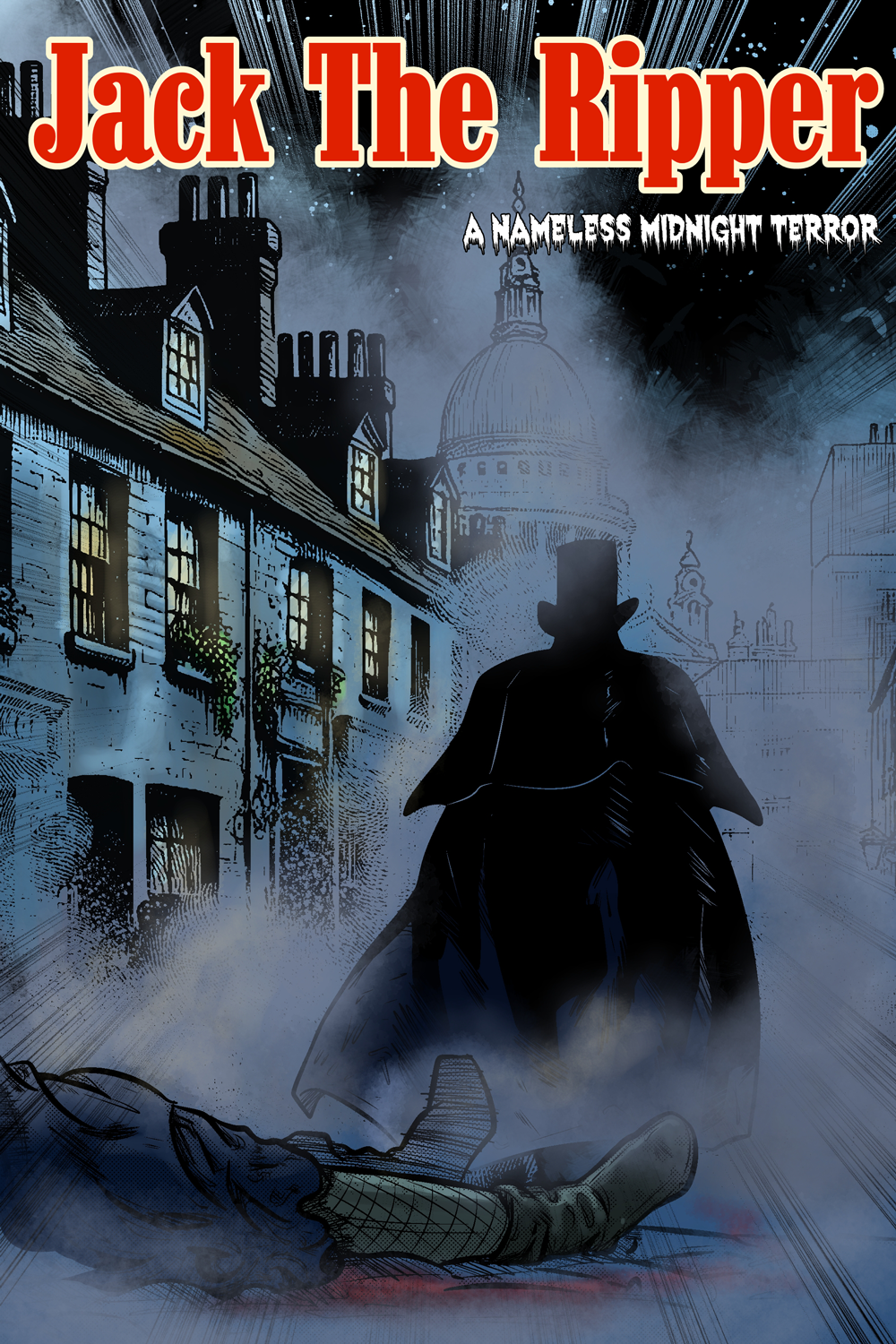
Jack the Ripper: History’s Most Notorious Unsolved Mystery
Jack the Ripper is perhaps the most infamous serial killer in history, a name synonymous with fear, mystery, and violence. Active in the late 19th century, this brutal murderer terrorized the streets of London’s Whitechapel district during the autumn of 1888, leaving a trail of mutilated bodies and unanswered questions that continue to baffle historians, criminologists, and the general public to this day.
The Whitechapel Murders
Jack the Ripper’s victims were five women, often referred to as “The Canonical Five”: Mary Ann Nichols, Annie Chapman, Elizabeth Stride, Catherine Eddowes, and Mary Jane Kelly. These women were all living in the slums of London, struggling with poverty, homelessness, and in some cases, working as prostitutes. Their tragic lives and brutal deaths are what remain at the heart of the Jack the Ripper mystery.
What set Jack the Ripper apart from other criminals of the time was the grotesque nature of his killings. Each victim was found with severe mutilations, ranging from slashed throats to disembowelment. In the case of Mary Jane Kelly, his final and most savage killing, the body was so horrifically mutilated that it was almost unrecognizable. The methodical and surgical nature of the killings led many to speculate that Jack the Ripper may have had medical or anatomical knowledge, though this has never been proven.
The Investigation
In 1888, the police were ill-equipped to handle such a complex case. Modern forensic techniques like fingerprinting and DNA analysis were decades away, leaving detectives to rely on witness testimonies and rudimentary crime scene investigation. As more bodies were discovered, public pressure on the police force intensified, but despite their efforts, no clear suspect emerged.
Hundreds of suspects have been proposed over the years, ranging from local butchers and doctors to prominent public figures. Among the most notable suspects were Montague John Druitt, a barrister whose body was found in the River Thames shortly after the murders ceased; Aaron Kosminski, a Polish immigrant and barber who was suspected due to his mental instability; and even royal conspiracies involving Prince Albert Victor, the Duke of Clarence. However, none of these suspects have been definitively proven to be Jack the Ripper.
Adding to the confusion were numerous letters sent to the police and newspapers, claiming to be from the killer. The most famous of these, the “Dear Boss” letter, is where the name “Jack the Ripper” first appeared. The letter was accompanied by a gruesome promise to continue the killings, signed “Jack the Ripper.” While some experts believe these letters were hoaxes, their impact on the public was immense, further fueling the fear and hysteria surrounding the case.
Theories and Speculation
The enduring mystery of Jack the Ripper has led to countless theories, ranging from plausible to outlandish. Some believe that the killer was a well-to-do member of society, using his position to avoid suspicion. Others argue that Jack the Ripper was a deranged lunatic, killing for sheer pleasure or out of an uncontrollable compulsion. The lack of concrete evidence leaves room for wild speculation, and the case has been revisited many times by historians, criminologists, and even modern forensic experts.
In recent years, advancements in DNA analysis have breathed new life into the investigation. In 2014, a claim was made that DNA evidence from a shawl found near one of the victims linked the murders to Aaron Kosminski. While this revelation was met with excitement, it was also met with skepticism, as many experts questioned the reliability of the evidence due to possible contamination.
The Legacy of Jack the Ripper
Jack the Ripper’s influence on popular culture is undeniable. His murders have inspired countless books, films, television shows, and even conspiracy theories. He has become a symbol of the unknown and the uncatchable, a personification of the darker aspects of human nature. But beyond the macabre fascination lies a very real tragedy—the deaths of five women whose stories have been overshadowed by the myth of their killer.
In the end, Jack the Ripper’s identity remains one of history’s greatest unsolved mysteries. Despite over a century of investigation, the true identity of the killer may never be known, ensuring that the legend of Jack the Ripper will continue to haunt both the history books and the imagination for generations to come.